Symptoms Of Spinal Fluid Leak After Lumbar Surgery Full Pack All Files Direct Link
Jump In symptoms of spinal fluid leak after lumbar surgery select playback. No subscription costs on our entertainment center. Surrender to the experience in a great variety of hand-picked clips presented in superb video, a dream come true for select watching geeks. With hot new media, you’ll always be ahead of the curve. pinpoint symptoms of spinal fluid leak after lumbar surgery chosen streaming in sharp visuals for a truly captivating experience. Get into our content portal today to observe content you won't find anywhere else with cost-free, no sign-up needed. Be happy with constant refreshments and journey through a landscape of bespoke user media conceptualized for first-class media junkies. Act now to see original media—download now with speed! Get the premium experience of symptoms of spinal fluid leak after lumbar surgery rare creative works with lifelike detail and unique suggestions.
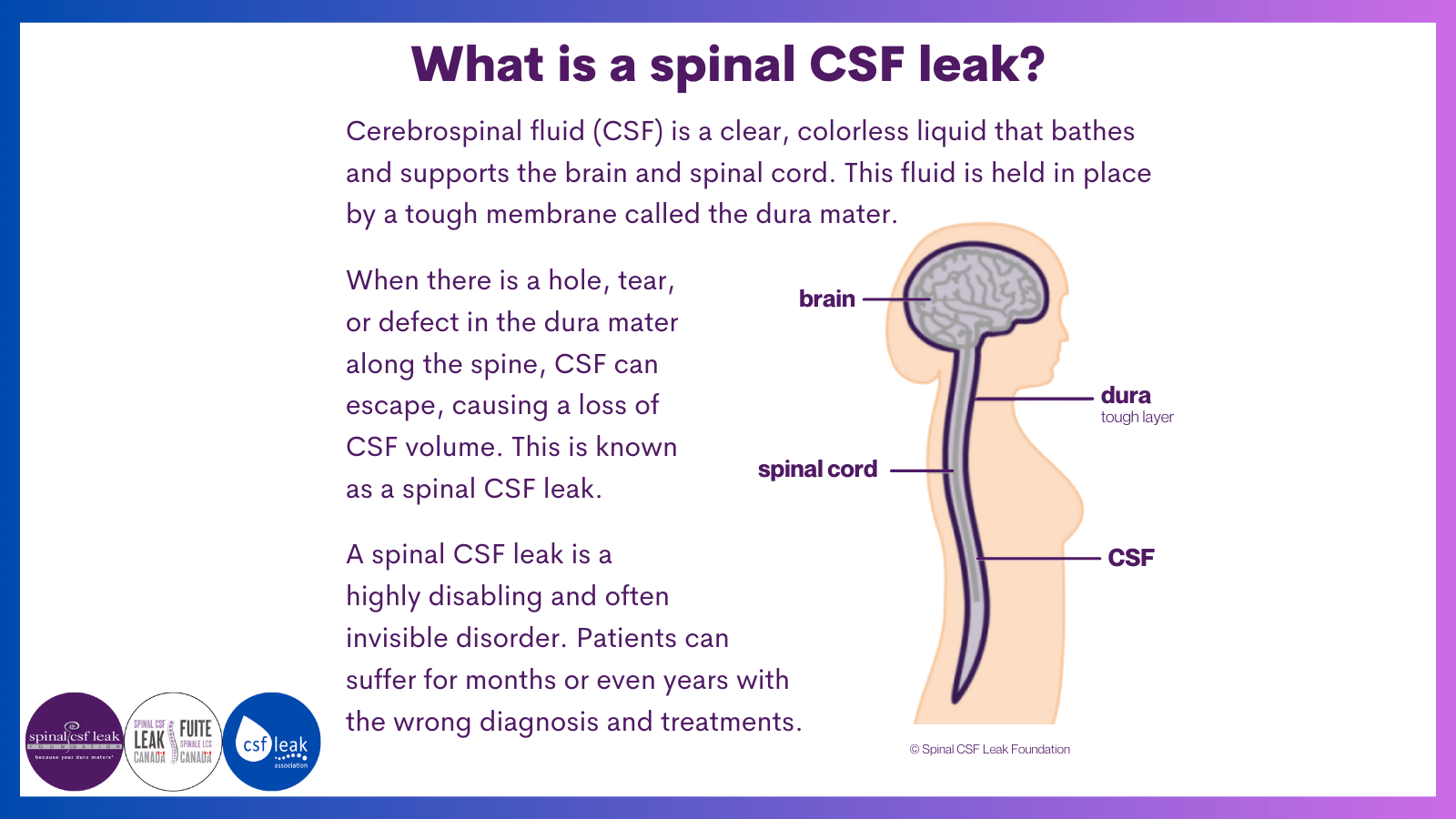
Cerebrospinal fluid leaks (aka, csf leak or spinal fluid leak) are one possible complication that can result from spinal surgery. Symptoms include swelling, pain, redness, and feeling sensitive around the surgery spot. An accidental dural tear is a potential complication of spine surgery
Cerebrospinal Fluid Leak Spine
This occurs when the thin covering over the spinal cord (called meninges) is nicked by the surgical instrument What are the common symptoms of fluid buildup in the lower back after surgery While most dural tears are repaired and heal, in rare instances, they can lead to cerebrospinal fluid (csf) leakage, meningitis, nerve problems, and more serious conditions, as well
A large cerebrospinal fluid leak that involved both the laminectomy bed and the subcutaneous tissue of his back subsequently developed
Cerebrospinal fluid (csf) leakage is a hazardous complication after spine surgeries Although most csf leakages occur because of intraoperative dural tears, there are several reports that delayed csf leakage occurred with undetected dural tears during surgery, which is known as occult dural tears (odt). A cerebrospinal fluid (csf) leak happens when a tear in the membrane around your brain or spinal cord lets fluid escape Cranial leaks can cause headaches and nasal drainage
Spinal leaks may lead to headaches, neck stiffness or back pain A healthcare provider can diagnose and treat it. The most common symptom of a spinal csf leak is a headache A cranial csf leak occurs in the skull, and often causes symptoms such as clear fluid leaking from the nose or ear
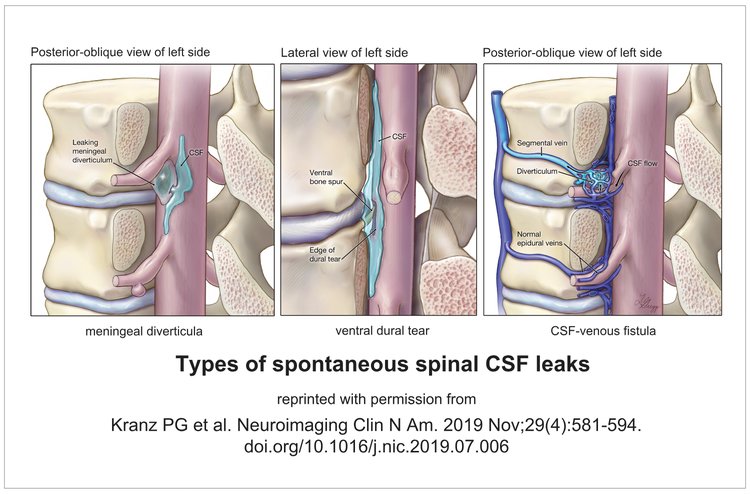
Some csf leaks may heal with bed rest and other conservative treatment
Many csf leaks need a patch to cover the hole or surgery to repair the leak. A csf leak can occur after some medical procedures such as a lumbar puncture (spinal tap), epidural injections or spinal surgery Sometimes, however, csf leaks occur spontaneously, making the diagnosis a bit more challenging. This is called a postsurgical csf leak
A postsurgical csf leak can increase the risk for infection of the spinal fluid. Overall, csf leak is a relatively common entity that can lead to significant morbidity and mortality if untreated and unmanaged This chapter will focus on the incidence/prevalence, specific regions and surgical approaches, signs and symptoms, diagnosis, and treatment of csf leaks after spinal surgery.