How Many Microns Means No Leaks Full Library Full Media Full Link
Start Now how many microns means no leaks exclusive on-demand viewing. Zero subscription charges on our entertainment center. Become one with the story in a sprawling library of selections featured in cinema-grade picture, the ultimate choice for first-class watching admirers. With newly added videos, you’ll always receive updates. Explore how many microns means no leaks organized streaming in sharp visuals for a totally unforgettable journey. Sign up today with our viewing community today to stream solely available premium media with no payment needed, no credit card needed. Receive consistent updates and experience a plethora of groundbreaking original content built for deluxe media buffs. Seize the opportunity for original media—swiftly save now! Indulge in the finest how many microns means no leaks distinctive producer content with dynamic picture and preferred content.
How many microns means no leaks The decay took 20 minutes, but regardless of the time, (and many technicians would not have waited this long) it is important to note that the tank is still very wet. The number of microns that means no leaks varies depending on the substance or system being tested
How Many Microns HVAC Vacuum - 101 System Testing Guide
In the context of checking for leaks in refrigeration systems using freon or gas, a commonly accepted standard is to hold a vacuum of 500 microns or less. The evacuation was restarted, and even after second time hitting 500 microns, the tank still eventually decayed to over 1000 microns Pull the system down to at least 500 microns and let it stand for 24hrs if the microns rise to 1000 to 1200 then there is moisture in the system
If it stays below 800, no leaks or moisture, finish the evacuation process
If it goes above 1200 microns you still have a leak These values are approximate and there are many variables to factor in. Watch for quick micron increases (leaks), slow pressure rise (moisture), not reaching micron goals, or uneven readings These signs mean leaks, moisture, or equipment problems.
Understanding how many microns hvac vacuum requirements are essential can significantly impact the performance, efficiency, and longevity of your hvac systems This article will take a deep dive into the world of hvac vacuum, the importance of achieving the right micron levels, and best practices to ensure optimal performance. An acceptable micron rise is the amount of pressure increase per minute that often indicates the presence of leaks (although it may not always rule out possibility.)
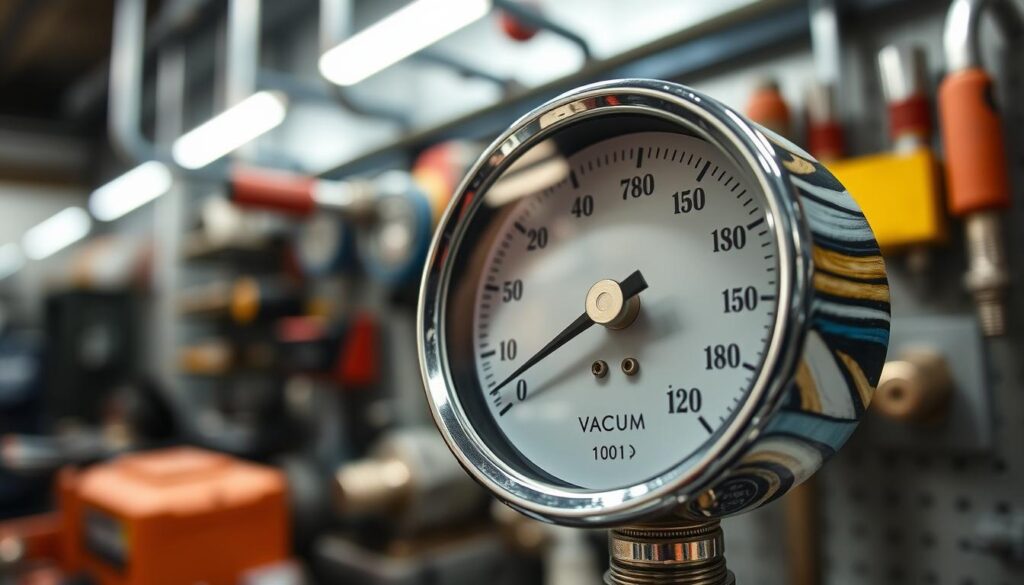
How to measure an adequate vacuum many contractors pull the refrigerant out and think the work is done
In reality, when you get to 29 inches of vacuum (the with a vacuum pump Ashrae recommends evacuation to below 1000 microns for moisture removal and below 500 microns after replacing a compressor. All these will help you increase the speed during vacuuming You can also check if there is any leak not through the micron gauge of the vacuum
How many microns mean no leaks If you can achieve 500 microns during the evacuation, there is no leak Use of micron gauge a vacuum micron gauge is a vital part of the evacuation process. Yes, 1000 microns is considered good or at least adequate for many units

The manufacturer recommended micron level for a unit should always be followed
What is a micron in hvac Micron is a measurement of pressure in an hvac system. Even at 70 microns there is no measurable water leak The first step to selecting a leak tester is to determine the appropriate specification for your leak test
Next, calculate the fill time, stabilization time, test and vent times and then find the leak tester that can deliver the results with the required repeatability.


