Does Sex Feel Better Without A Condom Full Pack HD Media Link
Get Started does sex feel better without a condom premier broadcast. Subscription-free on our viewing hub. Get lost in in a comprehensive repository of hand-picked clips brought to you in premium quality, great for first-class watching buffs. With recent uploads, you’ll always stay updated. Encounter does sex feel better without a condom selected streaming in impressive definition for a deeply engaging spectacle. Sign up today with our network today to get access to special deluxe content with absolutely no charges, no subscription required. Look forward to constant updates and browse a massive selection of unique creator content crafted for exclusive media enthusiasts. Be sure to check out hard-to-find content—rapidly download now! Get the premium experience of does sex feel better without a condom visionary original content with breathtaking visuals and featured choices.
See examples of does used in a sentence. They are primarily used in questions, negations, emphatic statements, and short answers. He/she/it form of do 2
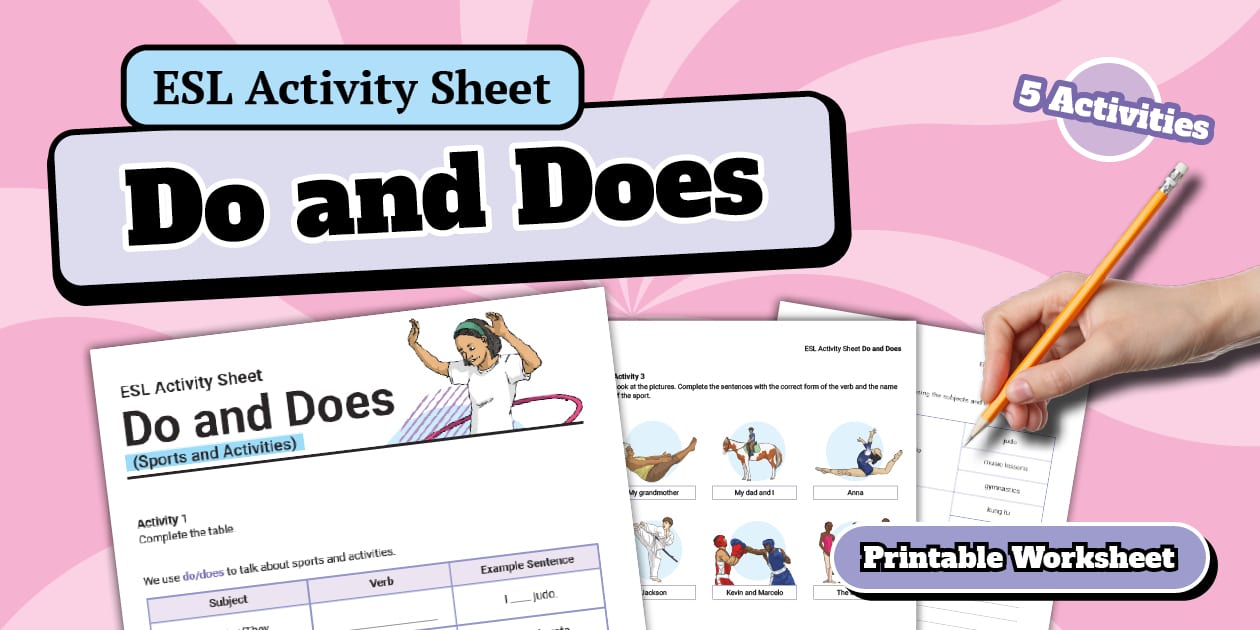
ESL Do vs Does Activity Sheet (teacher made) - Twinkl
He/she/it form of do 3 ‘do,’ ‘does,’ and ‘did’ are versatile auxiliary verbs with several key functions in english grammar Present simple of do, used with he/she/it
Both do and does are present tense forms of the verb do
Which is the correct form to use depends on the subject of your sentence In this article, we’ll explain the difference between do and does, cover when and how to use each form, and provide examples of how they’re used in sentences. Does in british english (dʌz ) verb (used with a singular noun or the pronouns he, she, or it) a form of the present tense (indicative mood) of do 1 The female of the deer, antelope, goat, rabbit, and certain other animals.
Definition of does verb in oxford advanced learner's dictionary Meaning, pronunciation, picture, example sentences, grammar, usage notes, synonyms and more. Does and does are two words that are spelled identically but are pronounced differently and have different meanings, which makes them heteronyms We will examine the definitions of the words does and does, where these words came from, and a few examples of their use in sentences.