Antidepressant With Least Sexual Side Effects Full Pack Vids & Images Download
Claim Your Access antidepressant with least sexual side effects elite watching. On the house on our on-demand platform. Become one with the story in a immense catalog of expertly chosen media featured in HD quality, great for exclusive viewing patrons. With fresh content, you’ll always stay updated. Encounter antidepressant with least sexual side effects arranged streaming in retina quality for a genuinely gripping time. Register for our entertainment hub today to feast your eyes on select high-quality media with absolutely no charges, no sign-up needed. Enjoy regular updates and delve into an ocean of one-of-a-kind creator videos made for prime media lovers. Seize the opportunity for uncommon recordings—download fast now! Witness the ultimate antidepressant with least sexual side effects uncommon filmmaker media with sharp focus and members-only picks.
Although fundamental gaps remain unanswered, the present review provides pediatric and adult cardiac care providers with a contemporary framework in pda care to support the practice of evidence‐based medicine. This chapter covers the anatomy, etiologic factors, pathophysiology, natural history, clinical features, diagnosis, and management of patent ductus arteriosus (pda). Focus on patent ductus arteriosus (pda)
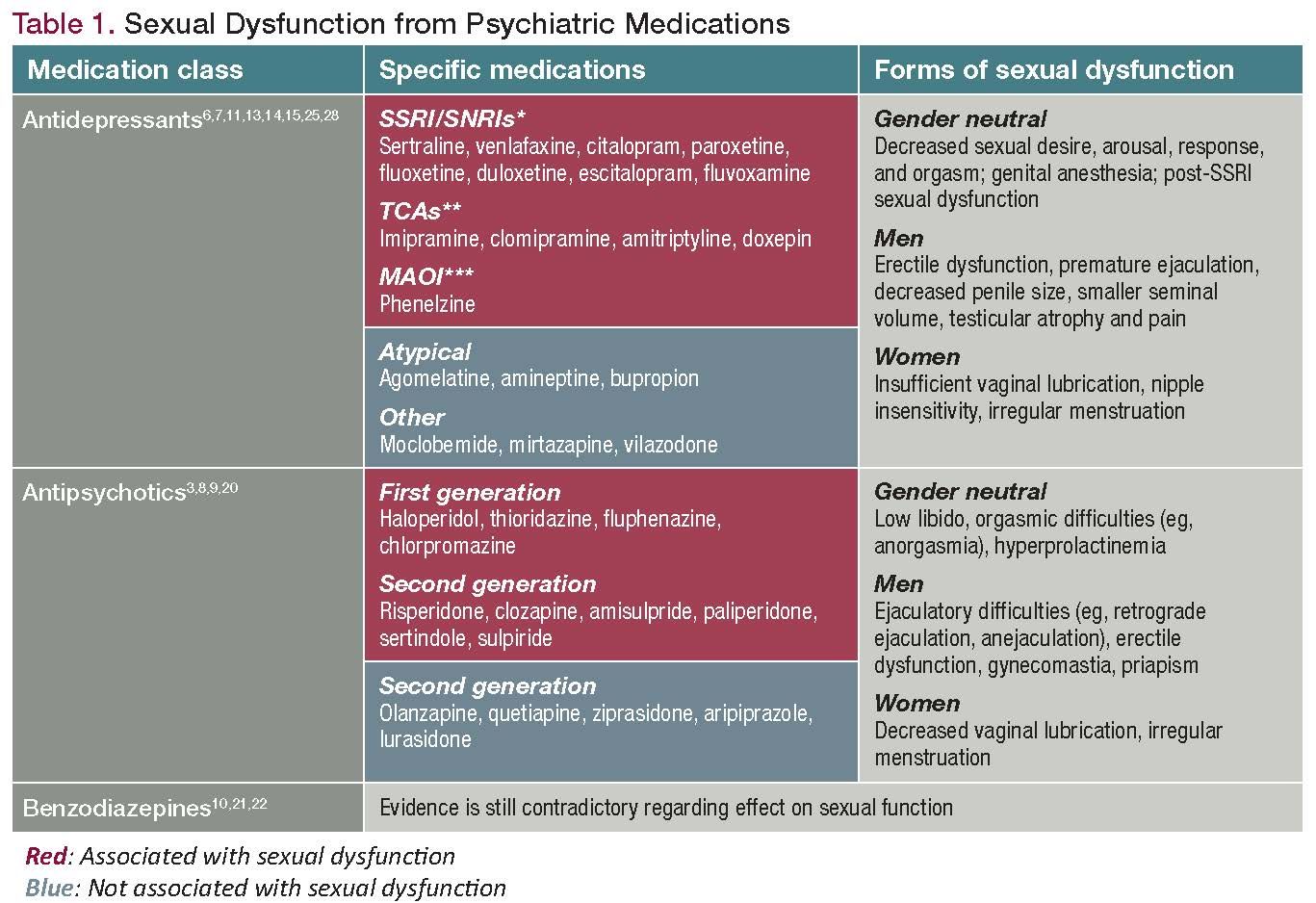
Managing Sexual Dysfunction With Antidepressants
This vessel typically closes shortly after birth, but can remain patent, particularly in premature infants, and is known as a patent ductus arteriosus (pda) When the ductus does not close and remains open, then a condition called patent ductus arteriosus or pda develops. In neonates with pda, the ductus arteriosus remains patent after birth, leaving a connection between the pulmonary artery and aorta
Therefore, oxygenated blood in the aorta flows back into the pulmonary arteries supplying the lungs instead of circulating around the body.
Hemodynamically significant patent ductus arteriosus (hspda) is still an elusive condition that challenges neonatologists and pediatric cardiologists due to recent advances in the field of neonatology. Besides a detailed description of biochemical and molecular pathways involved in physiological ductus arteriosus closure, the author also describes signaling and cellular pathways that contribute to persistently pda in preterm infants. The ductus arteriosus is a blood vessel that is formed during fetal growth While in the womb, fetal circulation lets blood flow straight from the aorta to the pulmonary, going around the lungs.
It reflects findings from multiple clinical trials and observational studies conducted since the prior clinical report was published in 2016. Thus, now the blood from the right ventricle goes to the lungs to get oxygenated and the bypass or ductus arteriosus closes